
EX2 Group Powers Cornwall FT NHS with Major Solar Programme
News
A major new install for our our Eco-Tech team
July 2026
A major renewable energy programme delivered by EX2 Group is helping NHS facilities across Cornwall reduce energy costs, lower carbon emissions and strengthen long-term energy resilience.
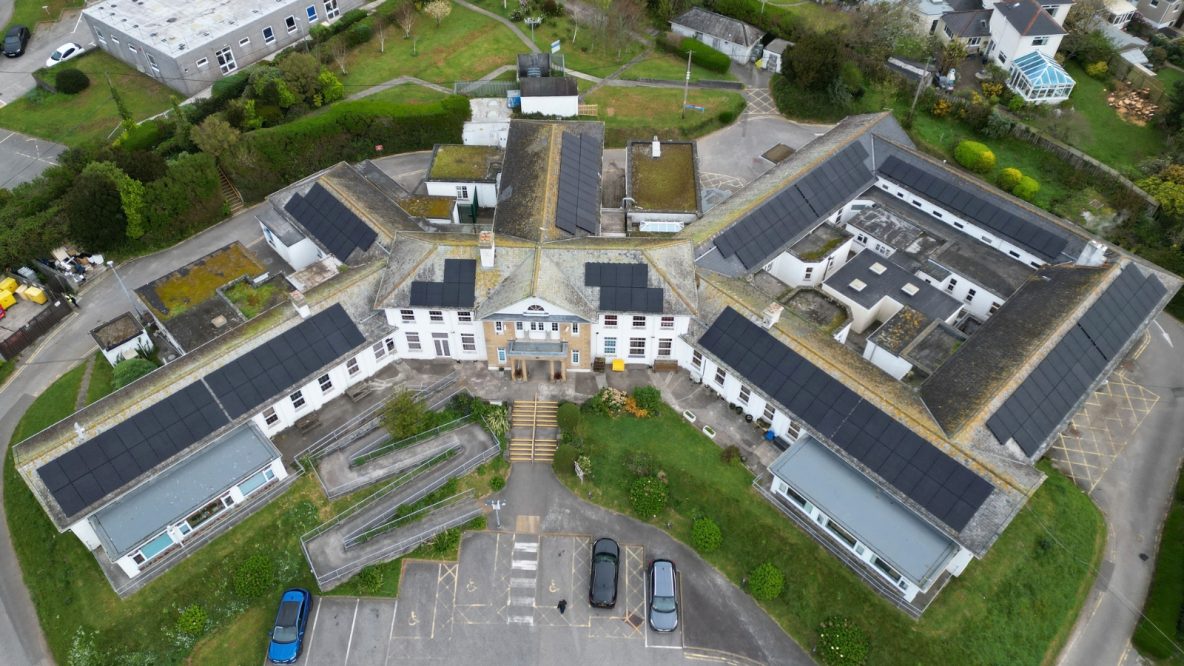
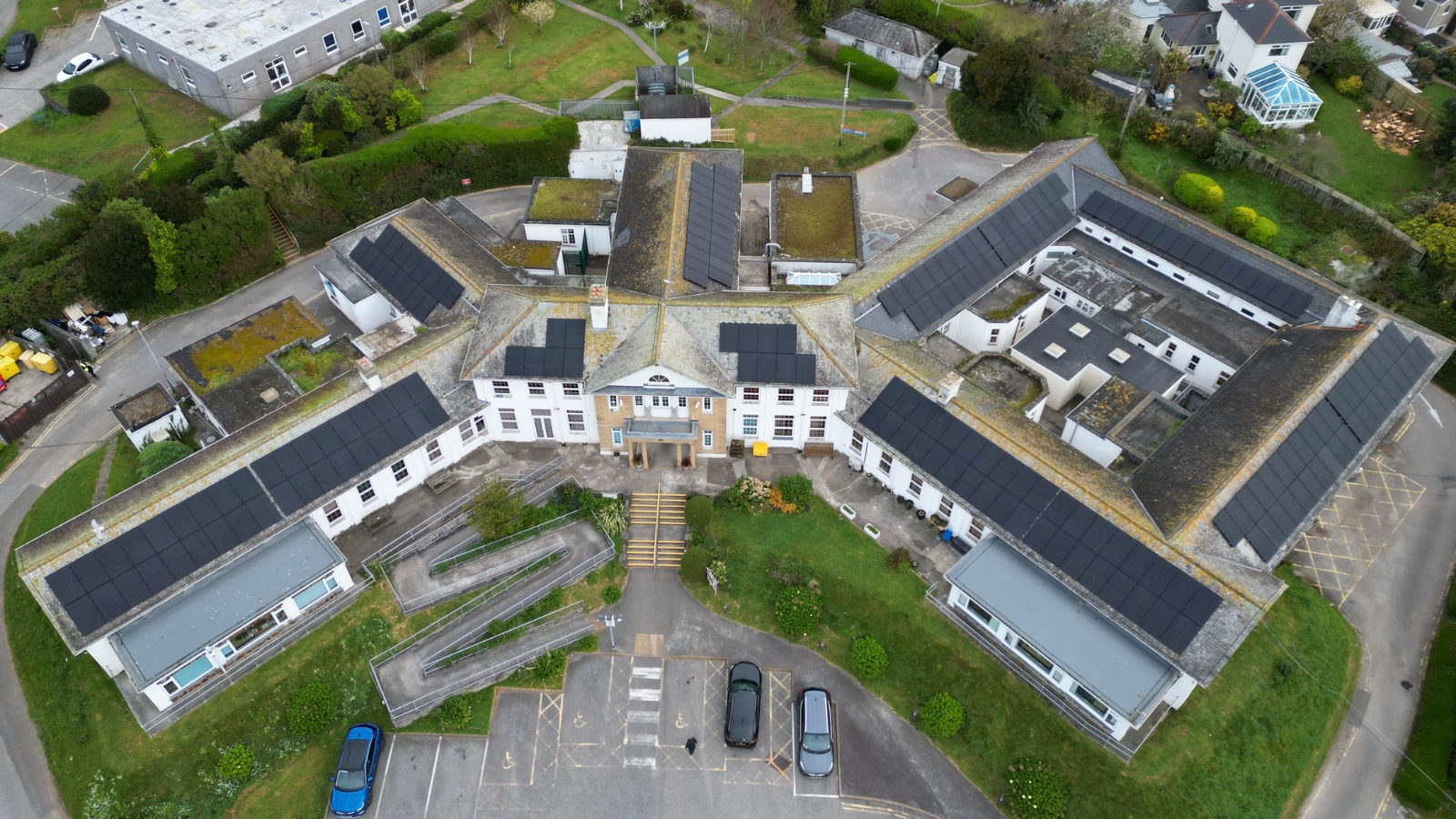
Funded through almost £2.2 million of national investment secured in 2024, the project has seen EX2 Group’s Eco-Tech division install 2,270 solar photovoltaic (PV) panels across multiple Cornwall Partnership NHS Foundation Trust sites. The installations add approximately 1MW of renewable energy generation capacity to the Trust’s estate, supporting its commitment to sustainability while delivering substantial financial savings.
The Trust estimates the scheme will generate around £6.5 million in lifetime savings, with annual reductions in electricity costs amounting to hundreds of thousands of pounds. These savings can be redirected into frontline services, patient care and future environmental initiatives.
The new solar arrays are expected to generate enough renewable electricity each year to power approximately 518 homes, while reducing reliance on grid electricity by around 30%. Several healthcare facilities are anticipated to operate predominantly on solar-generated power during peak production periods throughout the year.
Solar Installations Across Cornwall
The extensive programme has delivered solar installations at healthcare sites throughout Cornwall, including:
- Bodmin Community Hospital
- Camborne Redruth Community Hospital
- Falmouth Community Hospital
- Helston Community Hospital
- Launceston Community Hospital
- Stratton Community Hospital
- Health offices in Camborne, Redruth and Penzance
- Additional NHS facilities across the county
Work commenced on the first seven sites in October 2025 and was substantially completed by March 2026, with the wider programme continuing through to July 2026.
Delivering Renewable Energy in Live Healthcare Environments
Appointed through a competitive tender process, EX2 Group’s Eco-Tech team worked closely with Cornwall Partnership NHS Foundation Trust, project management consultancy Currie & Brown and NHS stakeholders to deliver the scheme across occupied healthcare facilities.
Maintaining uninterrupted patient services remained a key priority throughout the programme. Careful planning, coordinated deliveries and close collaboration with clinical teams ensured all sites remained fully operational while installation works were carried out.
Several locations presented significant technical challenges, including Bodmin Community Hospital, where solar panels were installed across 17 separate roof elevations. Regular project meetings and strong collaboration between all parties helped ensure works were completed safely, efficiently and with minimal disruption.
Supporting Cornwall’s Green Economy
Alongside delivering environmental and financial benefits for the NHS, the project has also generated value for the local economy.
More than £100,000 was spent with Cornish businesses, supporting local suppliers, subcontractors and employment opportunities throughout the programme. EX2 Group also engaged with local education providers to promote skills development within the growing green energy sector.
Additional measures, including the use of electric vehicles, consolidated deliveries and comprehensive on-site recycling practices, helped minimise the environmental impact of the works during construction.
Sam Charters, Eco-Tech Divisional Manager at EX2 Group, said:
“This project demonstrates the positive impact renewable energy can have on public sector organisations. Working closely with Cornwall Partnership NHS Foundation Trust and our project partners, we have delivered a significant programme of works across multiple healthcare sites while ensuring services continued uninterrupted.
“Each location came with its own challenges, from access requirements to operational constraints, but the collaboration between all parties enabled the programme to be completed safely and successfully. The result is a long-term asset that will reduce costs, lower carbon emissions and support the Trust’s sustainability ambitions for years to come.”

